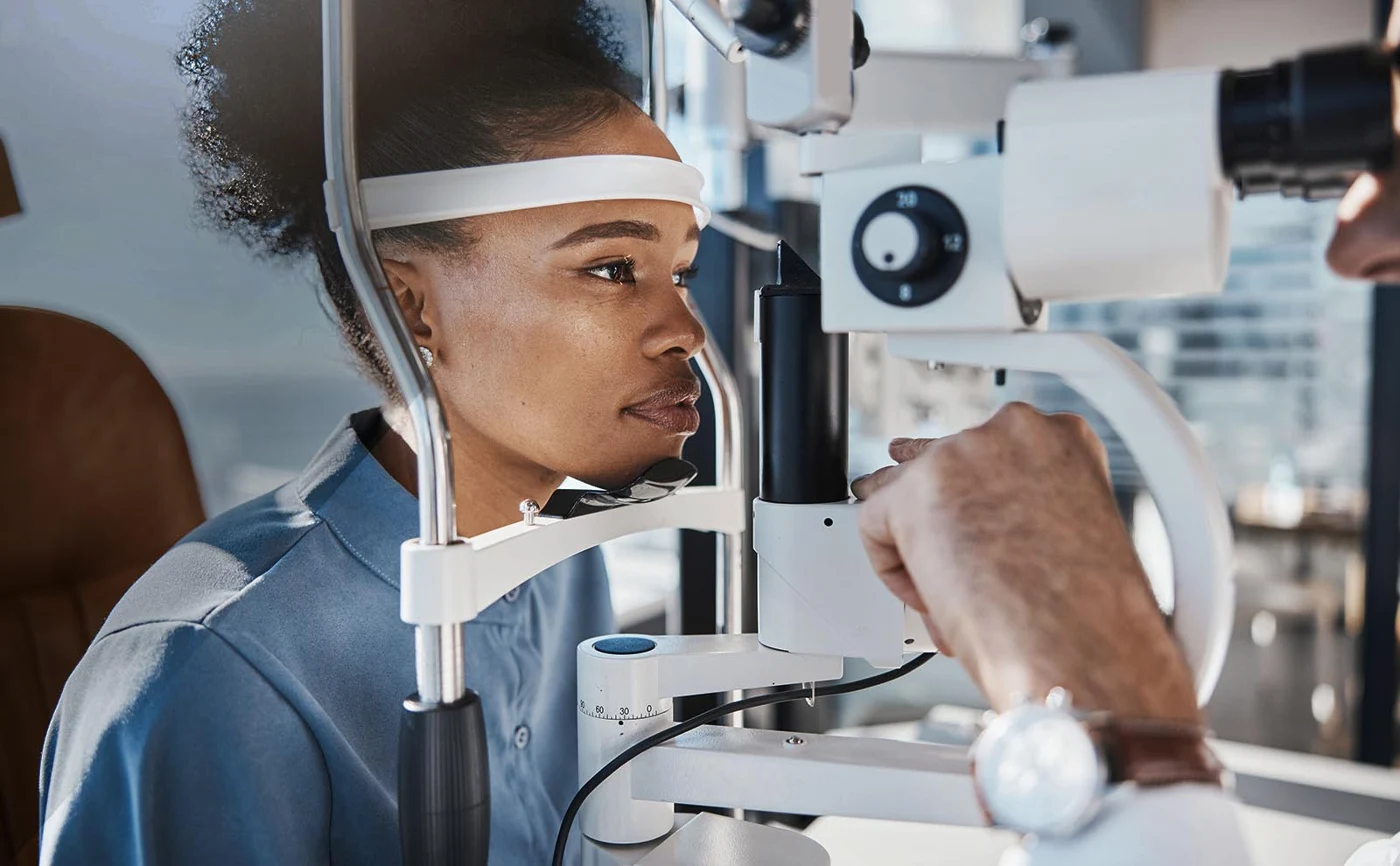
Difficulty wearing standard contact lenses does not automatically rule out contacts. Specialty designs may help people with irregular corneas, astigmatism, dry eye, or changing near vision. An eye examination and contact lens fitting determine which options are appropriate.
Why some eyes need a different fit
Contact lenses must work with both your prescription and the surface of your eye. Conditions such as keratoconus, changes after surgery, or persistent dryness can make a standard lens uncomfortable or less effective.
The term "hard to fit" describes a fitting challenge. It does not identify one diagnosis or one solution. Tell your eye doctor what happened with previous lenses, including when discomfort began and how your vision changed during the day.
Lens options worth discussing
Different designs address different needs. Options discussed in specialty contact lens care include:
- Custom soft lenses: Soft lens designs tailored to particular prescriptions or fitting needs.
- Rigid gas permeable lenses: Firm lenses that may provide useful vision correction, though adapting to them can take time.
- Hybrid lenses: A firm center with a soft outer ring. These may suit some people with irregular corneas.
- Scleral lenses: Larger rigid lenses that rest on the white of the eye and leave space over the cornea for fluid.
- Toric lenses: Lenses designed to correct astigmatism.
- Bifocal or multifocal lenses: Designs that help address near and distance vision, including changes associated with presbyopia.
The National Eye Institute describes specialty lens designs. No design guarantees comfort or suits every eye.
Comfort depends on more than lens material
Your eye doctor may assess the fit with trial lenses and check your vision while you wear them. Discuss dryness, allergies, or irritation rather than assuming a different prescription will resolve discomfort.
Wearing time, replacement schedules, and the cleaning system also matter. Follow the instructions for your prescribed lenses. Wash and dry your hands before handling them, keep lenses away from water, and use the recommended solution. If lenses cause discomfort, remove them and contact your eye care provider. These habits follow CDC contact lens care guidance.
Ask about appointments, cost, and coverage
Before proceeding, ask what the fitting includes, whether follow-up visits are needed, and how replacement lenses are priced. Bring your insurance information and ask which services or materials may be covered. Benefits vary, so confirm your plan rather than assuming specialty lenses are included.
If conventional contacts have been frustrating, start with a specialty contact lens consultation. We can discuss your experience, examine your eyes, and help you understand the next step.